Revitalize Your Hair With Keratin Treatments: Advantages and What to Anticipate
Keratin treatments have become increasingly popular as a solution for numerous hair concerns. These specialized salon procedures are designed to improve and fortify hair by supplementing it with natural keratin. While many pursue this treatment for its remarkable frizz-reducing benefits, understanding the application and maintenance process is essential. As clients consider this option, they frequently wonder about the specific benefits and what they can anticipate during the process. The journey begins with an assessment of individual hair needs and concerns.
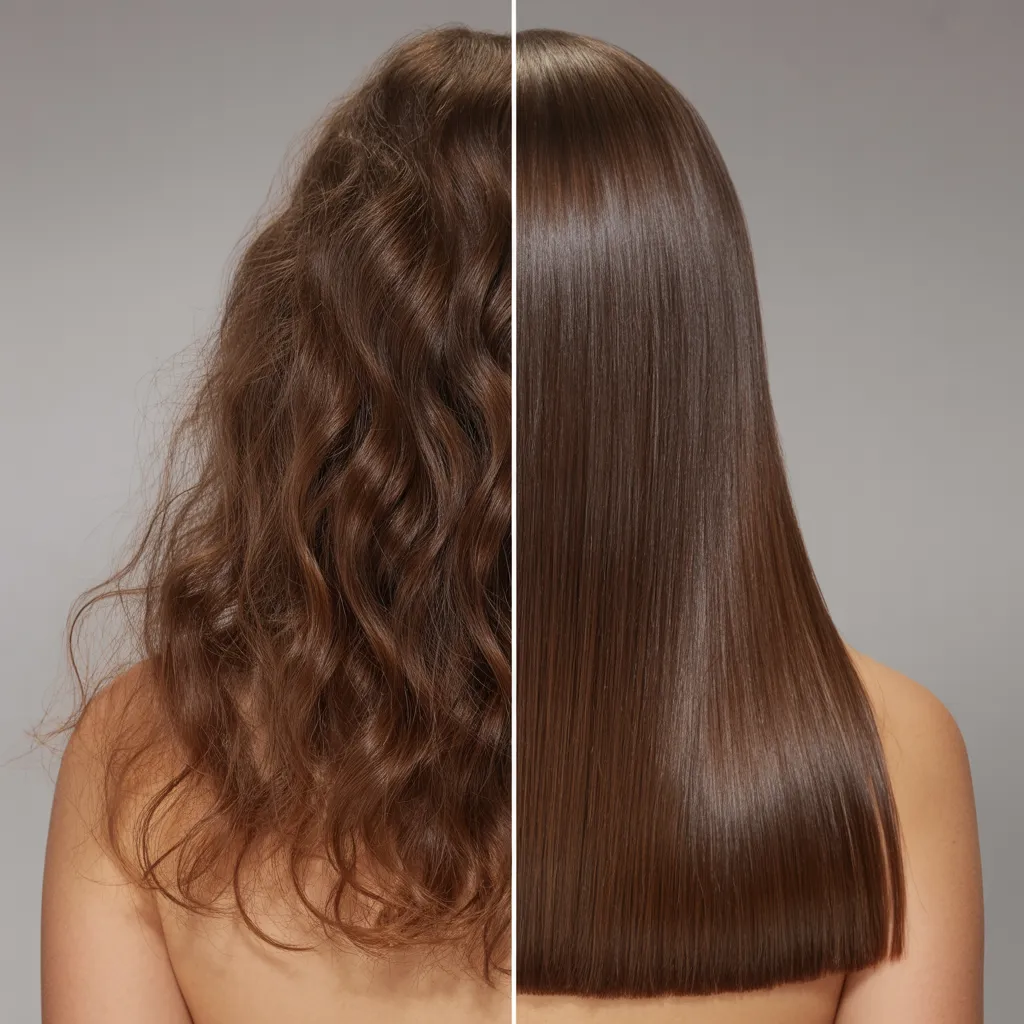
Understanding Keratin Treatments and How They Work
A keratin treatment is an in-salon procedure designed to smooth and strengthen hair. This treatment requires applying a keratin-infused formula to the hair strands, which is then sealed in using the heat of a flat iron. Keratin, a natural protein found in hair, skin, and nails, works to restore and protect the hair's composition. During the process, the treatment works into the hair cuticle, filling in gaps and restoring its integrity.
Generally spanning several weeks to a few months, the benefits of a keratin treatment can result in enhanced manageability, reduced frizz, and improved shine. Individuals frequently discover that their hair becomes easier to style and maintain. While the treatment can be beneficial for various hair types, it is crucial for people to consult with a professional stylist to secure the best possible results and correct application. Ultimately, keratin treatments serve as a popular option for individuals looking for healthier, smoother hair.
Who Can Benefit from a Keratin Treatment?
Individuals with curly hair often seek keratin treatments to control their texture and minimize styling time. Likewise, those prone to frizz can gain from the smoothing properties of keratin, contributing to a more refined look. These treatments present a practical solution for individuals hoping to improve their hair's manageability and shine.
Types of Curly Hair
Thinking about which curl patterns can take advantage of a keratin treatment? Those with curl patterns spanning from wavy to tightly coiled often find keratin treatments particularly advantageous. These treatments can help refine the hair cuticle, reducing texture and enhancing manageability. For those with medium to thick curly hair, keratin can greatly decrease styling time and improve overall hair health. Additionally, those dealing with dry or brittle hair may notice renewed shine and a softer feel following the treatment. However, it is important for those with extremely fine curl patterns to speak with a hair care specialist, as too much keratin may overwhelm fine strands. Ultimately, those looking to tame unruly curls or maintain defined waves may consider keratin treatments a worthwhile solution for attaining the look they desire.
Frizz-Prone Individuals
Many frizz-prone individuals often seek solutions to tame their unruly hair, and keratin treatments can be a highly effective solution. These solutions function by introducing keratin, a naturally occurring protein, into the hair shaft, calming the cuticle and eliminating frizz. Well-suited for people with wavy or coarse hair types, keratin treatments help create a polished look while enhancing manageability.
Additionally, they can considerably decrease styling time, making daily routines more efficient. While results can vary based on hair type and treatment specifics, numerous individuals enjoy smoother and more manageable hair lasting weeks to months. Anyone interested in this treatment should speak with a professional stylist about their particular requirements and expected results, guaranteeing the most effective solution is matched to their hair's individual properties.
Major Benefits of Keratin Treatments for Frizzy Hair
Keratin treatments offer a variety of advantages for people who suffer from frizzy hair. Primarily, these treatments infuse the hair with keratin, a natural protein that acts to strengthen and smooth the hair shaft. This treatment considerably minimizes frizz, resulting in a smoother and more controlled look.
Moreover, keratin treatments improve luster and encourage a healthier look, making hair become sleek and luminous. They also result in reduced styling time, as the hair gets easier to style and manage.
Furthermore, these products offer a shield from moisture in the air, a common culprit of hair frizz, by creating a barrier that keeps moisture out.
Finally, keratin treatments can improve overall hair texture, making it smoother and stronger. For those with unruly hair, these advantages can lead to a life-changing result, increasing confidence while making daily styling routines easier.
What Happens at Your Keratin Treatment Appointment
What takes place during a keratin treatment session tends to spark curiosity for people exploring this hair treatment. To begin, the stylist will examine the client's hair type and condition to identify the right keratin formula. Following a detailed consultation, the client's hair is cleansed with a clarifying shampoo to eliminate product buildup.
Subsequently, the keratin treatment is administered section by section, making sure every strand is evenly coated. The stylist will then run a flat iron over the hair to seal in the keratin, which helps achieve the desired smoothness and shine. This service can take a few hours, varying according to the hair's length and density.
Throughout the appointment, guests can anticipate a calming atmosphere, often with soothing music. It is vital for clients to express any questions with their hair professional for the best results. By the close of the visit, guests can depart with beautifully refreshed hair, ready to enjoy their new look.
Post-Treatment Care: How to Keep Your Hair Smooth
After a keratin treatment, adequate aftercare is crucial for maintaining smooth hair. You should refrain from washing your hair right away, opt for sulfate-free hair products, and reduce heat styling to extend the longevity of the treatment. Keeping these tips in mind can help sustain the desired sleek and polished look.
Do Not Wash Immediately
To maintain the benefits of a keratin hair treatment, one essential step is allowing the hair to settle without washing it right away. This initial period, usually running 48 to 72 hours, is essential for the keratin to adhere properly with the hair strands. Washing before this period ends can interfere with bonding, reducing the treatment's durability and performance. During this time, individuals should avoid moisture, including rain and humidity, as these can also interfere with the treatment. It is best to abstain from styling with heat or tying the hair back tightly, which could create creases. By respecting this waiting period, individuals can be confident their hair remains sleek, lustrous, and easy to style for an extended duration.
Use Sulfate-Free Products
Following the initial waiting period, maintaining the benefits of a keratin hair treatment requires deliberate selection of products. One essential aspect is the use of sulfate-free products. Sulfates, commonly found in many shampoos and conditioners, can remove the hair's natural oils along with the keratin deposited during treatment. This may result in frizz and reduce the sleekness attained. Selecting sulfate-free options helps maintain the treatment's results, ensuring hair stays hydrated and manageable. Moreover, such products are kinder to the scalp, helping to reduce irritation. When selecting a shampoo or conditioner, check for labels that specifically read "sulfate-free". This easy modification can considerably improve the durability of a keratin treatment, making sure that hair continues to look sleek and glossy over an extended period.
Limit Heat Styling
Minimizing heat styling is crucial for preserving the results of a keratin hair treatment. Excessive use of heat tools, such as straighteners and curling irons, can reduce the treatment's duration and performance. Instead, individuals are recommended to utilize air drying and heat-free styling methods whenever possible. When heat styling is unavoidable, using a heat protectant spray can help guard hair from damage, minimizing the risk of frizz and breakage. Additionally, opting for reduced heat levels can further safeguard the hair's integrity. By monitoring heat usage, individuals can maximize the smooth, sleek results of their keratin treatment, making certain that their hair remains healthy and vibrant for a longer period.
What Is the Duration of Keratin Treatments?
How long do keratin treatments actually last? How long keratin treatments last is influenced by multiple factors, including your hair type, the treatment formulation chosen, and how well you maintain aftercare. Typically, the effects can last between three and six months. People who have coarser or frizz-prone hair often experience results that extend closer to the six-month mark.
Effective aftercare is key to sustaining the benefits of the treatment. Eliminating sulfates, selecting appropriate shampoos, and limiting heat styling can considerably increase the longevity of the treatment. Furthermore, how often you wash your hair and its exposure to environmental conditions, including humidity, can impact the treatment's longevity.
Routine upkeep appointments can also help prolong the treatment's benefits. Ultimately, while keratin treatments provide a notable difference in hair's texture and overall manageability, how long they last depends on personal habits and care practices.
Dispelling Common Myths About Keratin Treatments
Despite the benefits and popularity of keratin treatments, several false beliefs about their nature and effects remain widespread. One widespread myth suggests that every keratin treatment is filled with harmful substances, specifically formaldehyde. While some formulations do include this compound, numerous brands have developed formaldehyde-free alternatives that achieve comparable outcomes without the related dangers.
Another frequently held myth is that keratin treatments forever change hair's natural structure. However, these treatments provide temporary hair-smoothing results that commonly last a few months and need regular upkeep.
Furthermore, some believe that keratin treatments are only beneficial for particular hair textures. Nevertheless, these treatments are able to benefit numerous hair types, enhancing manageability and shine regardless of natural wave or curl pattern.
Additionally, most believe that keratin procedures completely eliminate frizz. While they greatly reduce frizz, they do not render hair entirely frizz-free, most notably in high-humidity environments. Understanding these facts can help individuals make informed decisions about their hair care routine.
Common Questions and Answers
Is It Okay to Color My Hair Before a Keratin Treatment?
Applying hair color before a keratin treatment is generally discouraged. The chemicals in hair dye can interfere with the treatment's effectiveness, which could result in less favorable outcomes. Scheduling these treatments at different times is the best approach for ideal outcomes.
Do Keratin Treatments Work Safely on All Hair Types?
Keratin treatments are generally safe for various hair types, but individual results may not be the same. Individuals with extremely fine or damaged hair should consult a professional for personalized advice to avoid potential adverse effects.
How Often Can I Get a Keratin Treatment?
Experts recommend getting keratin treatments every three to six months, depending on individual hair type and desired results. Too many treatments can result in product buildup or possible damage, so moderation is key for evaluation maintaining hair health.
Do Keratin Treatments Harm Your Hair?
Keratin treatments tend to be harmless to hair when administered correctly; that said, overuse or improper use may cause dryness or hair breakage. It is important to adhere to aftercare guidelines to preserve hair health following treatment.
Can I Go Swimming After Getting a Keratin Treatment?
Going swimming directly after a keratin treatment should be avoided. A period of 72 hours is required for the treatment to set correctly, and exposure to chlorinated or salt water can reduce its effectiveness.